


Waterfront Living In South Florida
Salt Air and Sunrise
There’s a moment every waterfront homeowner knows—when the first light of morning touches the water, or when the evening sky softens into shades of coral and gold. It’s the reason you came here. It’s the reason you’ll stay.
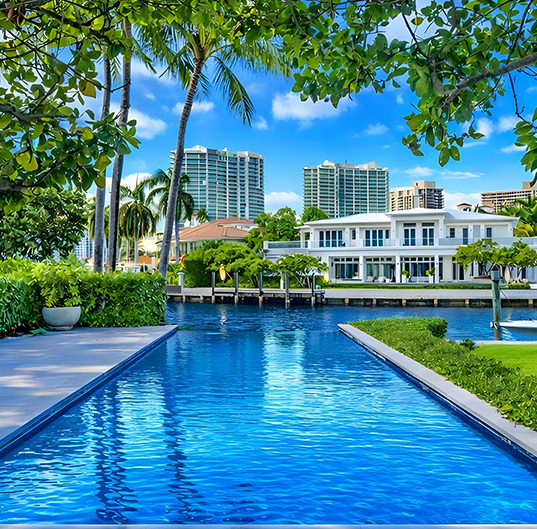
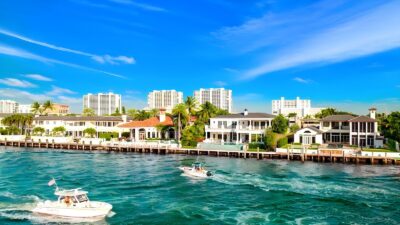
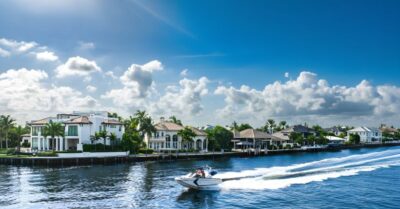
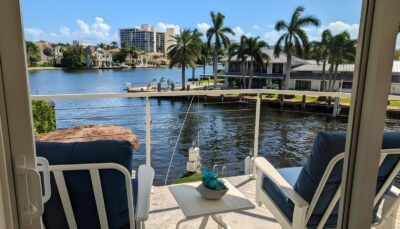
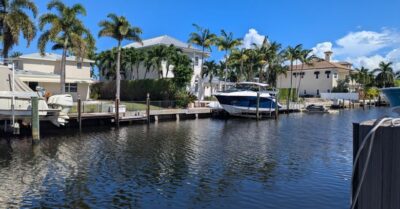
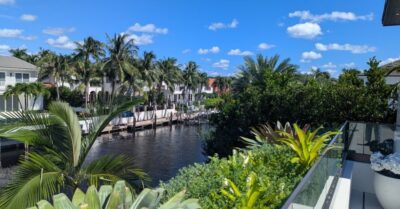
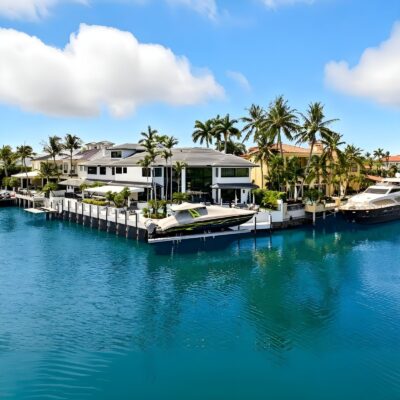
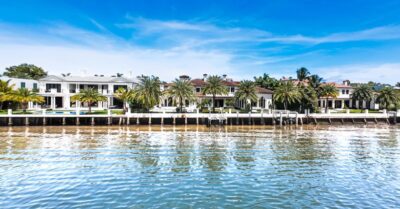
South Florida’s coastal communities—Boca Raton, Delray Beach, Highland Beach, Deerfield Beach, Hillsboro Beach—offer more than addresses on the water. They offer a way of living that centers on beauty, tranquility, and connection to nature. Whether you’re drawn to the Intracoastal’s gentle tides, the ocean’s endless horizon, or a private dock where your boat awaits, waterfront living transforms everyday moments into something extraordinary.
Your Waterfront Specialist
Waterfront properties require a specialist’s understanding. The nuances of seawall condition, dock permits, flood insurance, and water access aren’t details you want your agent learning on the job.
As publisher of The Waterfront Portfolio—a monthly market intelligence report covering Boca Raton and Delray Beach’s waterfront sectors—I track this market with the depth and attention it deserves. Every month, I analyze sales trends, inventory levels, and pricing movements across waterfront single-family homes, townhomes, and condominiums. This isn’t information I gather for my clients; it’s insight I create.
My background as a Relocation Specialist adds another dimension to my practice. Many of my waterfront clients are making significant life transitions—relocating from northern states, establishing seasonal residences, or moving internationally. I’ve navigated that journey personally and professionally, and I understand the questions, concerns, and logistics that come with purchasing a home in a new region.

For Waterfront Buyers
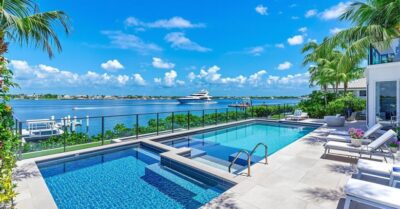
Whether you’re seeking a permanent residence or a seasonal retreat, finding the right waterfront property means matching your lifestyle and the home’s possibilities. Are you an avid boater who needs deep-water access and a private dock? Do you envision morning paddleboard sessions from your backyard? Or is it simply the view—the daily gift of watching the water—that calls to you?
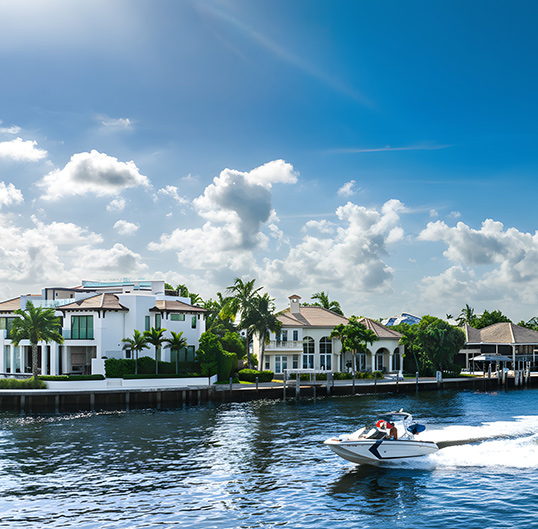
I help buyers understand not just the property, but the waterfront lifestyle that comes with it. Each coastal community has its own character: Boca Raton’s prestigious Intracoastal estates, Delray Beach’s vibrant downtown-meets-beach culture, Highland Beach’s quiet exclusivity, the charm of Hillsboro Mile. Finding your place means understanding these distinctions.
For Waterfront Sellers
Selling a waterfront property requires more than standard marketing approaches. These homes attract a particular buyer—one who understands the value of location, views, and water access, and who expects sophisticated presentation and market
As the publisher of The Waterfront Portfolio, I offer my sellers something distinctive: deep, current knowledge of waterfront market conditions in Boca Raton and Delray Beach. I’ve visited most of the recent waterfront offerings, so I’m well equipped to show you exactly where your property stands relative to recent sales, current competition, and emerging trends. This “hands-on” intelligence shapes everything from pricing strategy to marketing positioning.
My marketing approach emphasizes what makes waterfront properties extraordinary—the lifestyle, the light, the daily connection to the water. Through professional photography, compelling storytelling, and strategic exposure to qualified buyers, I present your home in ways that resonate with the right audience.
Here's the Latest From My Blog
My Waterfront Home of the Week blog showcases exceptional properties across our coastal communities, offering a window into what’s available and what makes each listing special. Explore the collection to discover homes that might become your own horizon.


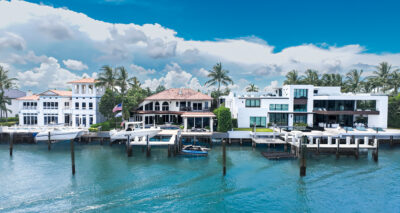
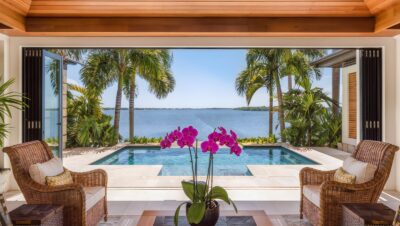
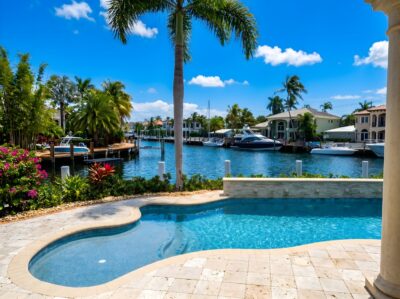
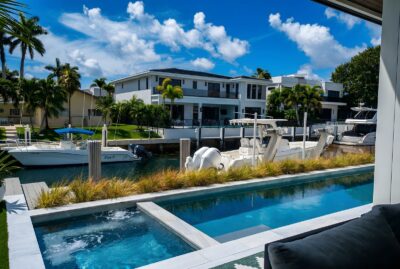
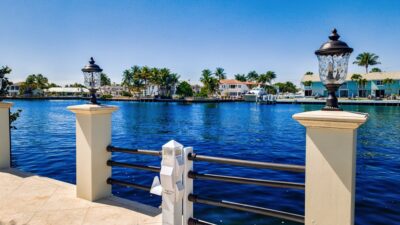

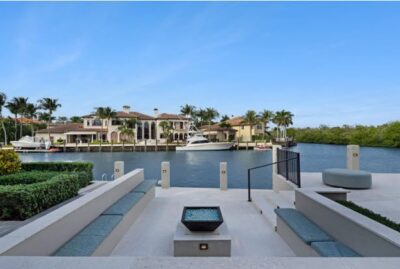

Featured Properties

$85,000,000
16121 Quiet Vista Circle,
Delray Beach

$69,500,000
997 HILLSBORO MILE,
Hillsboro Beach

$55,000,000
16191 Quiet Vista Circle,
Delray Beach

$46,000,000
1131 Hillsboro Mile,
Hillsboro Beach

$39,900,000
3805 S Ocean Boulevard,
Highland Beach

$38,000,000
372 E Alexander Palm Road,
Boca Raton
Frequently Asked Questions
For Waterfront
Home Buyers
The seawall is one of the most critical—and potentially expensive—components of any waterfront property. Before purchasing, you’ll want a professional seawall inspection to assess its current condition, estimated remaining lifespan, and any needed repairs. Seawall replacement can cost anywhere from $500 to $1,500 per linear foot or more, depending on materials and site conditions. Ask for documentation of any previous repairs or maintenance, and factor potential future costs into your purchase decision. In some communities, particularly along the Intracoastal, seawall condition directly affects property value and insurability.
Flood insurance is typically required for waterfront properties purchased with a mortgage, and policies are separate from standard homeowners insurance. The National Flood Insurance Program (NFIP) provides coverage, though private flood insurance options have expanded in recent years and may offer better rates or higher coverage limits. Your property’s flood zone designation (found on FEMA flood maps) significantly affects premiums. Request an elevation certificate for any property you’re considering—it documents the home’s elevation relative to the Base Flood Elevation and directly impacts insurance costs. Recent changes to FEMA’s rating system (Risk Rating 2.0) have altered how premiums are calculated, so obtaining quotes early in your search is wise.
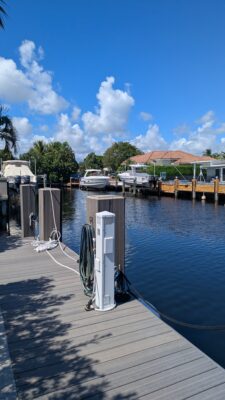
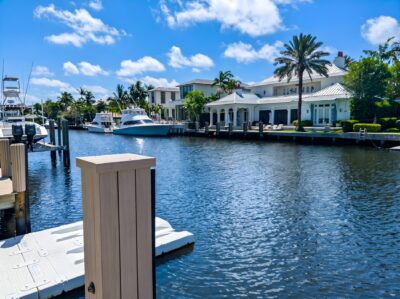
If boating is central to your waterfront lifestyle, evaluate dock and lift capacity carefully. Key considerations include: the depth of water at the dock (especially at low tide), the dock’s weight capacity and condition, whether the existing boat lift accommodates your vessel’s size and weight, and any height restrictions from nearby bridges that might limit your boat’s access to open water. Permits are required for dock construction, modification, or replacement, and the approval process involves multiple agencies. Some waterfront communities have specific regulations governing dock dimensions and aesthetics. If a property lacks a dock but you intend to add one, research permitting feasibility before making an offer.
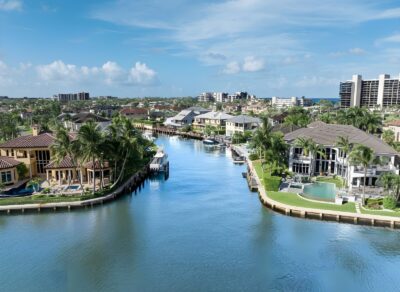
Each waterfront type offers a distinct lifestyle. Oceanfront properties provide direct beach access and unobstructed Atlantic views, but may face higher insurance costs and more stringent building restrictions. Intracoastal Waterway properties offer protected water, typically better boating access (no sandbars or inlet navigation), and often slightly calmer conditions. Canal-front homes provide water access at generally lower price points, though water depth, fixed bridges, and distance to open water vary significantly by location. Some buyers prioritize the view; others prioritize boating convenience. Understanding your priorities helps narrow the search to properties that match your intended lifestyle.
Waterfront properties face elevated exposure to wind and storm surge, making insurance and construction standards essential considerations. Windstorm insurance is separate from standard homeowners coverage in Florida and can represent a significant annual expense. Homes built or substantially renovated after 2002 typically meet stronger building codes and may qualify for insurance discounts. When evaluating properties, ask about roof age and type, impact-resistant windows and doors, hurricane shutters, and whether the home has received wind mitigation credits. A wind mitigation inspection can identify features that reduce premiums. Also consider the property’s elevation and whether it falls within a storm surge evacuation zone.
Yes, waterfront properties typically face additional regulatory oversight. Construction or modification near the water may require permits from the Florida Department of Environmental Protection, the Army Corps of Engineers, and local municipalities. Setback requirements, which govern how close structures can be to the water, vary by location and can significantly affect expansion plans. Many waterfront communities also have HOA restrictions governing everything from dock design to landscaping. If you’re considering a property with renovation or expansion potential, investigate applicable restrictions before purchasing. I can help connect you with resources to research these requirements for specific properties.
If you’ll spend significant time away from your waterfront property, plan for its care during your absence. Considerations include: property management or caretaker services to monitor the home and respond to issues; landscaping and pool maintenance; hurricane preparedness (who will secure the property if a storm approaches while you’re away); and implications for insurance, which may have vacancy clauses. Many seasonal residents appreciate properties within gated communities or buildings with on-site management that provide an extra layer of security and oversight. Also factor in Florida’s homestead exemption rules if this will be a secondary residence—non-homesteaded properties face higher property tax assessments.
For Waterfront
Condo Buyers
A condominium association’s financial condition directly affects your investment. Request and carefully review the association’s financial statements, budget, and reserve study. Key indicators include: adequate reserve funding (Florida law now requires reserves for structural components), history of special assessments, delinquency rates among current owners, and planned capital improvements. Following the Champlain Towers tragedy, Florida enacted significant condo safety reforms requiring milestone structural inspections for buildings three stories or taller that reach 30 years of age (or 25 years if within three miles of the coast). Ask whether the building has completed or scheduled its required inspection and how any identified repairs will be funded.
Florida’s Structural Integrity Reserve Study (SIRS) requirements, enacted in 2022 and strengthened since, mandate that condo and co-op buildings three stories or higher undergo milestone structural inspections at 30 years of age (25 years if within three miles of the coastline), with follow-up inspections every 10 years thereafter. Buildings must also maintain reserves for structural repairs identified in these studies—associations can no longer vote to waive or reduce structural reserves. When purchasing a waterfront condo, particularly in an older building, ask whether the milestone inspection has been completed, what it revealed, and how the association plans to fund any required repairs. Special assessments resulting from these requirements have become significant factors in the waterfront condo market.
Waterfront condo insurance operates on two levels. The association’s master policy typically covers the building’s structure and common areas, while you’ll need an individual HO-6 policy covering your unit’s interior, personal property, and liability. Review the association’s master policy to understand exactly where its coverage ends and yours begins (this varies by building). Also examine the master policy’s deductible—in a major storm, your unit’s share of a large building deductible could be substantial. The Florida condo insurance market has faced significant disruption in recent years, with some carriers exiting and premiums rising sharply. Factor current insurance costs and potential increases into your budget, and verify that the building’s master policy remains in force with adequate coverage.
Rental policies vary dramatically among waterfront buildings and can significantly impact your flexibility and the property’s appeal to future buyers. Some buildings prohibit rentals entirely; others allow them with restrictions (minimum lease terms, limits on rental frequency, waiting periods for new owners). If you plan to rent your unit—even occasionally—verify that the association permits it and understand all applicable rules. Conversely, if you prefer a building with fewer transient occupants, seek properties with stricter rental limitations. These policies can change through association votes, so review recent meeting minutes for any proposed amendments. Lenders also scrutinize rental ratios when financing condo purchases, which can affect buyer pools and resale values.
Waterfront buildings often offer amenities that enhance the lifestyle but also affect monthly fees. Evaluate which amenities matter to your daily life: pools, fitness centers, tennis or pickleball courts, boat docks or kayak storage, beach access and services, clubhouses, and concierge services. Consider practical features too: covered parking (important for protecting vehicles from sun and salt air), storage units, guest parking and guest suite availability, and package handling. For seasonal residents, 24-hour security and on-site management provide peace of mind during extended absences. When comparing buildings, weigh the amenities against the monthly fees—a building with fewer amenities and lower fees may suit you better than a full-service building with premium assessments.
Not all waterfront condos offer equal water enjoyment. Clarify what “waterfront” means for each property: direct beach access, Intracoastal views, or simply proximity to water? If boat access matters, ask whether the building has docks, how they’re assigned (deeded, leased, waitlisted), and any size restrictions. For beach buildings, understand whether the beach is private, public, or accessible through easement. Evaluate your specific unit’s views—will they be affected by future development on adjacent parcels? Higher floors typically offer better views but consider elevator dependency and evacuation logistics. Finally, assess the orientation: east-facing units capture sunrise over the ocean; west-facing units may offer Intracoastal sunset views. Visit at different times of day to experience the light and activity levels.
For Waterfront Home Sellers in Boca Raton,
Delray Beach & South Florida
These are fundamentally different products attracting different buyers. Oceanfront properties along our barrier islands—Highland Beach, Hillsboro Beach, and the beach sections of Boca Raton and Delray Beach—command premium prices for direct Atlantic views and beach access, but face higher insurance costs and more stringent building restrictions. Your buyer pool skews toward those prioritizing the beach lifestyle and sunrise views over boating. Intracoastal properties in communities like Royal Palm Yacht & Country Club, Spanish River Land, Lake Rogers, Tropic Isle, and along the Delray Beach Intracoastal corridor attract serious boaters who value protected water, private docks, and access to the Boca or Hillsboro Inlets. These buyers often care more about water depth at the dock and bridge clearances than square footage. Understanding which buyer you’re targeting shapes everything from pricing strategy to marketing emphasis.
For Intracoastal and canal-front properties, serious buyers immediately ask about water depth at your dock (anything under 4 feet at low tide limits vessel size), your route to open water, and bridge clearances along the way. Homes south of the Hillsboro Bridge with access to Boca Inlet appeal to boaters who want the closest ocean access in the area. Properties in Delray Beach must navigate to either Boca Inlet to the south or Lake Worth Inlet to the north—the distance and fixed bridges along the route matter significantly to buyers with larger vessels. Beyond boating, buyers evaluate east versus west exposure (sunrise over the water or afternoon shade for outdoor entertaining), seawall condition and estimated remaining life, no-wake zone locations that affect water activity, and the width of your waterfront—a 100-foot water frontage creates a very different experience than 50 feet. For oceanfront, it’s about unobstructed views, beach access rights, and how the property has weathered past hurricane seasons.
This is precisely why waterfront demands specialized expertise. A home on a deep-water point lot in Royal Palm Yacht & Country Club with a 60-foot dock and direct Intracoastal access isn’t comparable to a canal-front home in Boca Islands with two fixed bridges between it and the Intracoastal—even if the square footage and year built are similar. I publish The Waterfront Portfolio specifically because this market requires constant, granular analysis. Pricing must account for your specific location (Boca Raton’s east side commands different prices than west Boca canals), your water situation (Intracoastal frontage versus point lot versus interior canal), accessibility (how many bridges, what clearances, distance to Boca or Hillsboro Inlet), and current competition. Right now, I track waterfront inventory and sales across Boca Raton and Delray Beach at the community level—that data drives accurate pricing rather than broad assumptions.
Florida’s property insurance market has been in turmoil, and waterfront properties feel it acutely. Buyers will ask about your current coverage and premiums—sometimes before they even schedule a showing. If your home has favorable insurance (grandfathered policies, strong wind mitigation credits, or coverage with a stable carrier rather than Citizens), that’s a selling point worth highlighting. Gather documentation of your wind mitigation features: impact windows and doors, hip roof construction, roof age and materials, hurricane shutters, and secondary water resistance. Homes built to the stronger post-2002 Florida Building Code or substantially renovated since often qualify for meaningful discounts. If your property is in a flood zone (common for Intracoastal and oceanfront properties in Palm Beach County), having your elevation certificate and flood insurance history ready answers buyer questions immediately. In today’s market, demonstrable insurability at reasonable rates genuinely differentiates your property.
South Florida’s waterfront market follows seasonal patterns but doesn’t stop in summer. The traditional high season—January through April—brings the largest wave of northern buyers escaping winter and seasonal residents making purchase decisions. Listing in November or early December positions you to capture serious buyers arriving for the holidays who want to close by season. However, I’ve seen strong waterfront sales in summer months when inventory is lower and motivated buyers face less competition. What I’d avoid: listing a waterfront home during peak hurricane season (August through October) when buyer anxiety is highest and your property may need to be secured for storms mid-marketing. The specific answer for your home depends on current market conditions in your community—something I analyze monthly in The Waterfront Portfolio—combined with your personal timeline and the property’s showing condition.
A significant portion of waterfront buyers in our market are relocating—from the Northeast, Midwest, California, and increasingly from abroad. As a Certified International Relocation Specialist who personally relocated from Greater Boston to Boca Raton, I understand both the logistics and emotions of this transition. My marketing extends well beyond local MLS exposure: I create multilingual content in English, Spanish, and Portuguese for international buyers; leverage Coldwell Banker’s Global Luxury network and marketing platforms; and connect with relocation specialists in feeder markets. For high-end waterfront properties, I target buyers in markets like New York, New Jersey, Connecticut, Chicago, and international locations where South Florida’s tax advantages, climate, and lifestyle resonate. Your waterfront home isn’t just competing locally—it’s competing for buyers considering all of South Florida. Strategic marketing ensures they find your property.
Start with what defines waterfront value here: your seawall and dock. South Florida’s limestone substrate and tidal conditions are demanding on seawalls, and sophisticated buyers will order marine inspections. If your seawall shows signs of deterioration—cap displacement, visible cracks, soil settling behind it—address these before listing or expect significant negotiation. Same with your dock, pilings, and any boat lift: buyers in Boca Raton and Delray Beach know what marine equipment costs to replace in our market. Beyond the waterfront infrastructure, focus on how the property lives outdoors—this is South Florida, after all. Refinish pool decks, ensure summer kitchens function properly, replace worn dock and landscape lighting, and trim vegetation that blocks water views (you’d be surprised how often overgrown sea grape or palm fronds obscure what should be a selling point). Inside, address any signs of moisture intrusion or salt air corrosion, particularly in coastal mechanicals like AC units and garage door hardware. Present a home that’s clearly been maintained for our unique environment.